Kushiro wetlands, Hokkaido · usually early January to mid March
Red crowned crane courtship dance
Watch fares from to , , , leaving , for in , , on . when .
Finding fares from your airport…
Red crowned crane courtship dance
When is Red crowned crane courtship dance 2027?
Red crowned crane courtship dance usually runs early January to mid March. It's a natural season, so the best days change from year to year.
How the dates are set: Cranes gather at feeding sites in winter; courtship dances are seen from January into March.
Fares from other cities
The cheapest trip to Red crowned crane courtship dance from each city, as of November 18, 2026.
SingaporeSIN
Los AngelesLAXA
TorontoYTOA
LondonLOND
SydneySYD
Red crowned crane courtship dance schedule
- Winter, ideally February: The best time to see red-crowned cranes is in winter, ideally in February. They no longer migrate in this protected area, so they can be seen all year round.
Source: insidejapantours.com
History of Red crowned crane courtship dance
The red-crowned crane, called tancho in Japanese, is believed to represent longevity and has a long place in Japanese mythology. Half the world's tancho population winters in the Tsurui crane sanctuary. The Ainu of Hokkaido have a traditional crane dance, the Sarorun Rimse, that mimics the movement of a crane.
Source: insidejapantours.com
Red crowned crane courtship dance: questions people ask
Where can I see red-crowned cranes in Japan?
Tsurui in Hokkaido is a good place. Half the world's tancho population makes its winter home in the Tsurui crane sanctuary. A photographer also describes cranes roosting along riversides in the Kushiro Wetlands, Kussharo, Nemuro and Nakashibetsu areas, and at the Otowa Bridge in Tsurui village.
What does the red-crowned crane courtship dance look like?
The pair bows to each other, raises their heads to the sky and calls in unison. Then one pair or the whole flock leaps into the air at the same time.
Are red-crowned cranes monogamous?
Yes. Once they pair, they bond with their mate for life, and the species is seen as a symbol of loyalty.
What does the red-crowned crane symbolize?
The red-crowned crane is believed to represent longevity in Japan. It also stands for loyalty and good fortune.
How big is a red-crowned crane?
The bird stands 150 to 158 cm (about 4 to 5 feet) tall and weighs 8 to 11 kg. Its wingspan is 200 to 260 cm, and it can live more than 60 years.
Is the Otowa Bridge crowded?
It can be. A photographer reported over a hundred people on the bridge in February 2019, and about a dozen in February 2020.
Sources: insidejapantours.com, japandreamscapes.com
About Red crowned crane courtship dance
Endangered cranes perform their courtship dance on the snow in midwinter.
The red crowned crane, once nearly extinct, gathers at feeding grounds around Tsurui village and the Kushiro marsh through the coldest months, performing an elaborate bowing and leaping courtship dance directly on the snow. Peak viewing is January into February when birds concentrate at established feeding sites in the early morning. The Otowa bridge at dawn, where mist rises off the unfrozen river with roosting cranes, is the classic shot.
Know before you go
- Arrive at Otowa bridge before sunrise, the light and mist window is short.
- Rental car is the most practical way to reach multiple feeding sites in one visit.
- Kushiro airport is about 45 minutes by car or shuttle to the main crane viewing sites near Tsurui.
Planning the trip
More like this
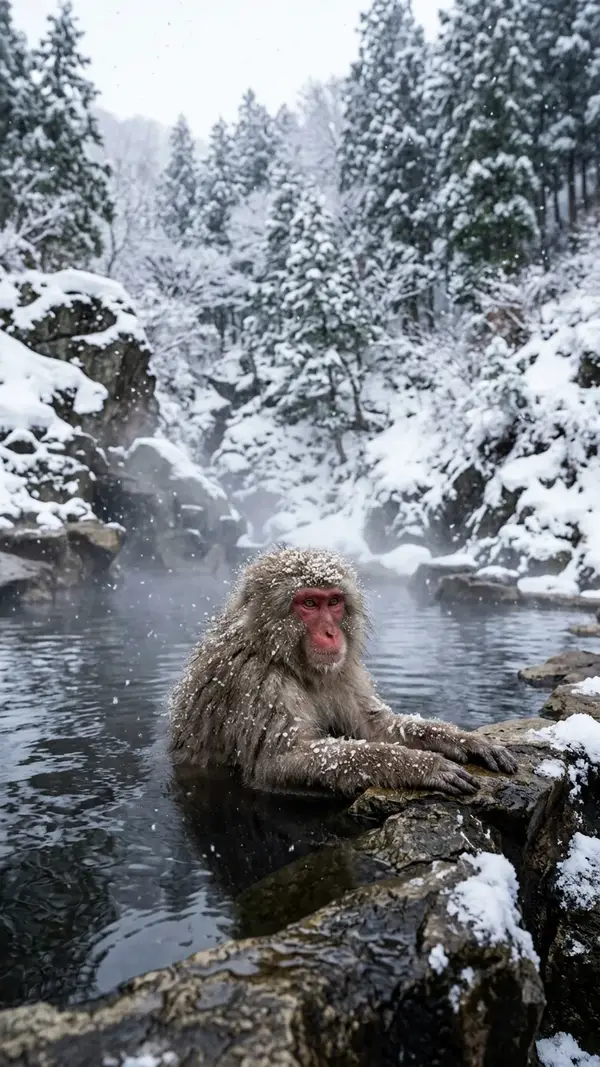 Every December to MarchJigokudani Snow MonkeysJigokudani Monkey Park, Yamanouchi, Nagano
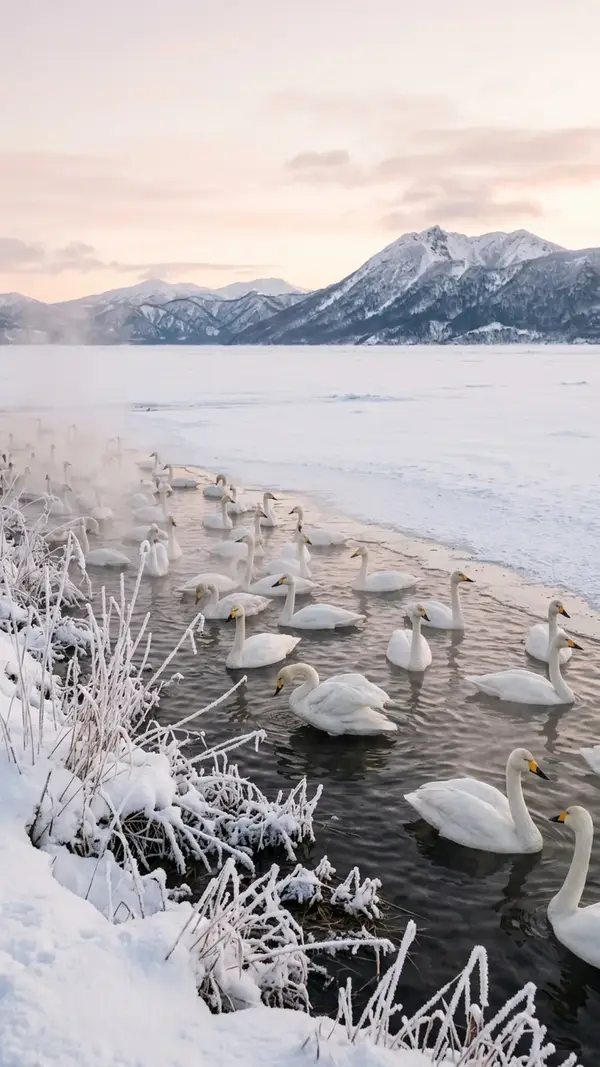 Every December to MarchWhooper Swans at Lake KussharoSunayu, Lake Kussharo, Hokkaido
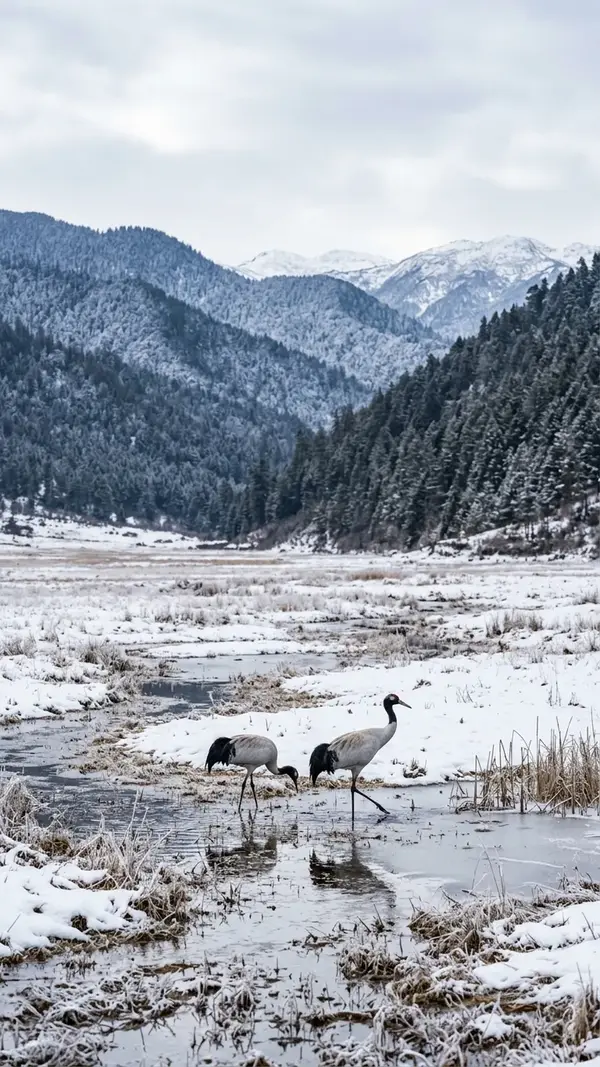 Every JanuaryBlack necked crane seasonPhobjikha Valley
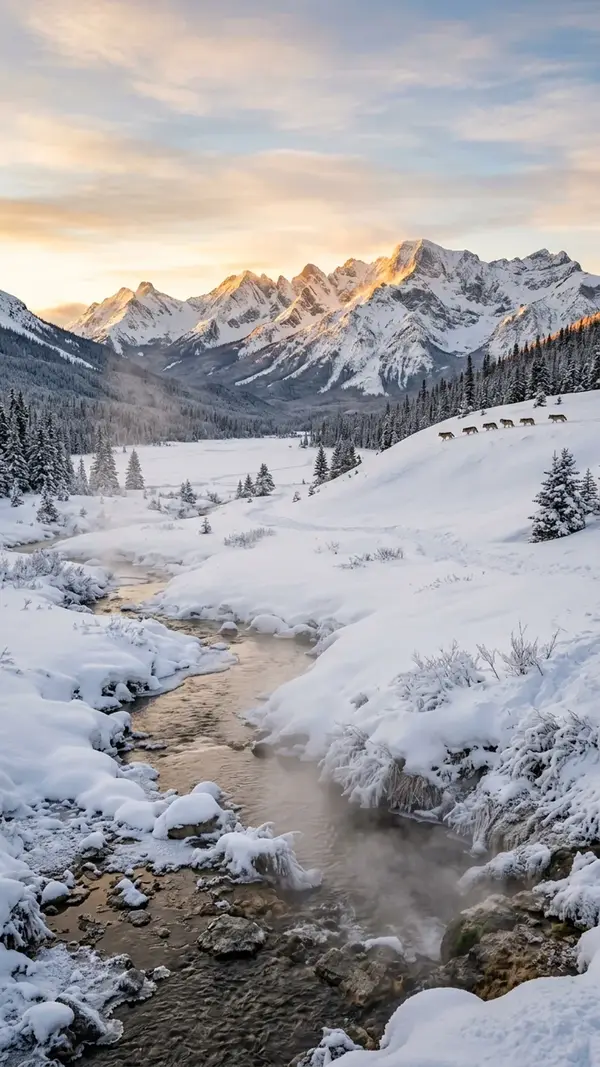 Every FebruaryYellowstone winter wildlife watchLamar Valley, Yellowstone National Park, Wyoming
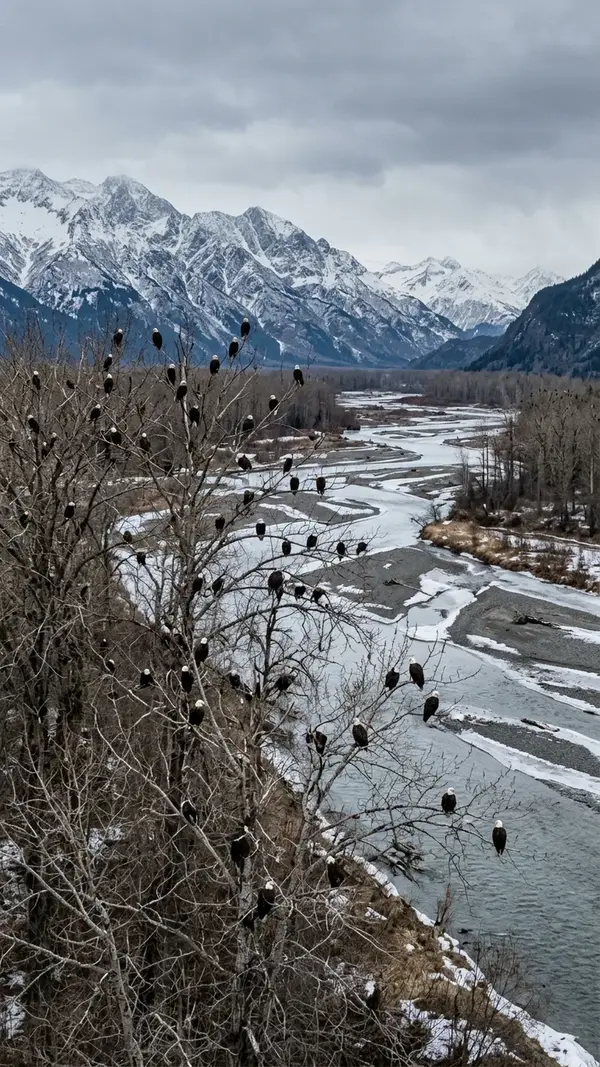 Every October to DecemberChilkat bald eagle gatheringHaines, Alaska
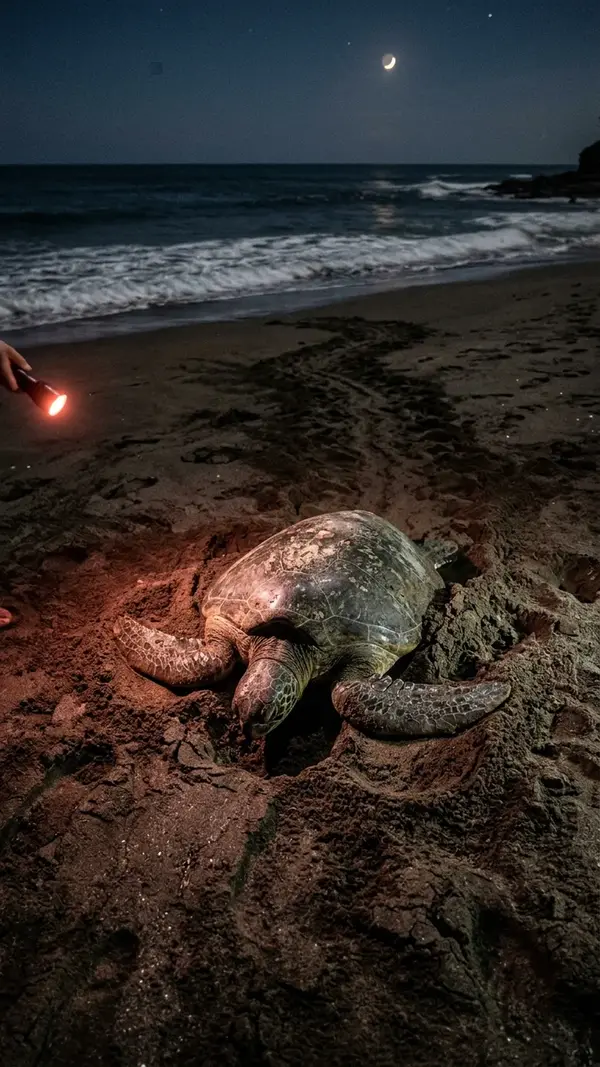 Every June to SeptemberCon Dao sea turtle nestingCon Dao islands
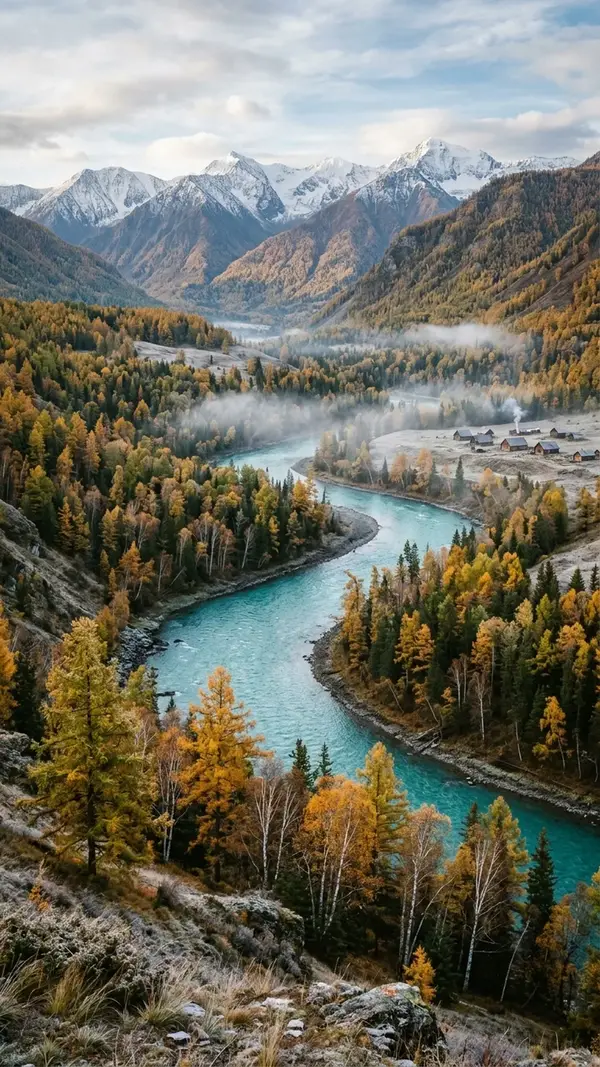 Every September to OctoberKanas Lake AutumnKanas Nature Reserve, Altay, Xinjiang
 Every January to FebruaryTaebaek mountain snow festivalTaebaek, Gangwon
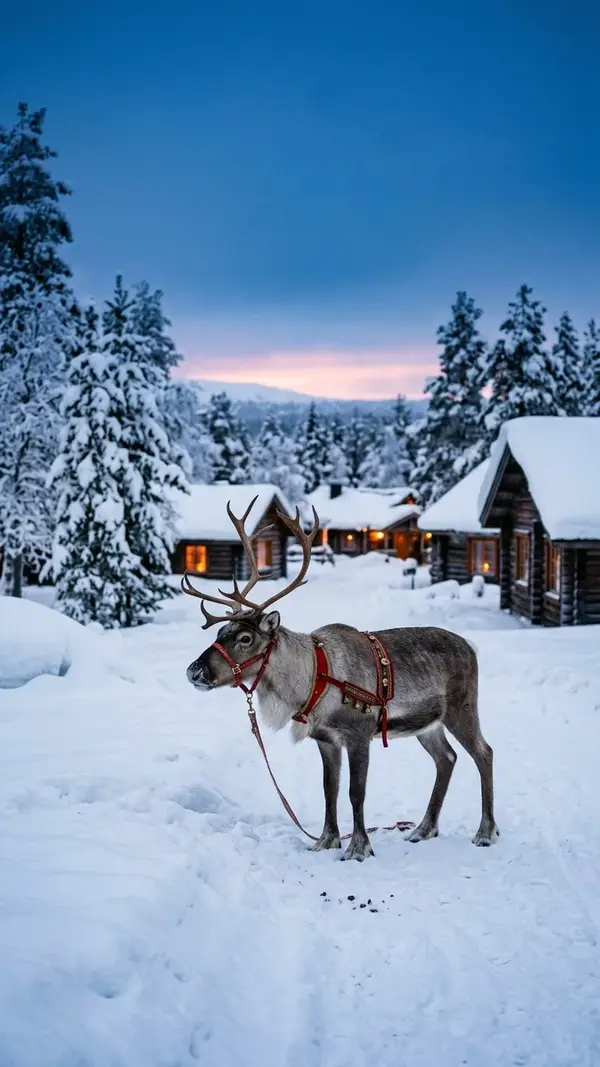 Every DecemberChristmas and polar night in RovaniemiRovaniemi, Lapland
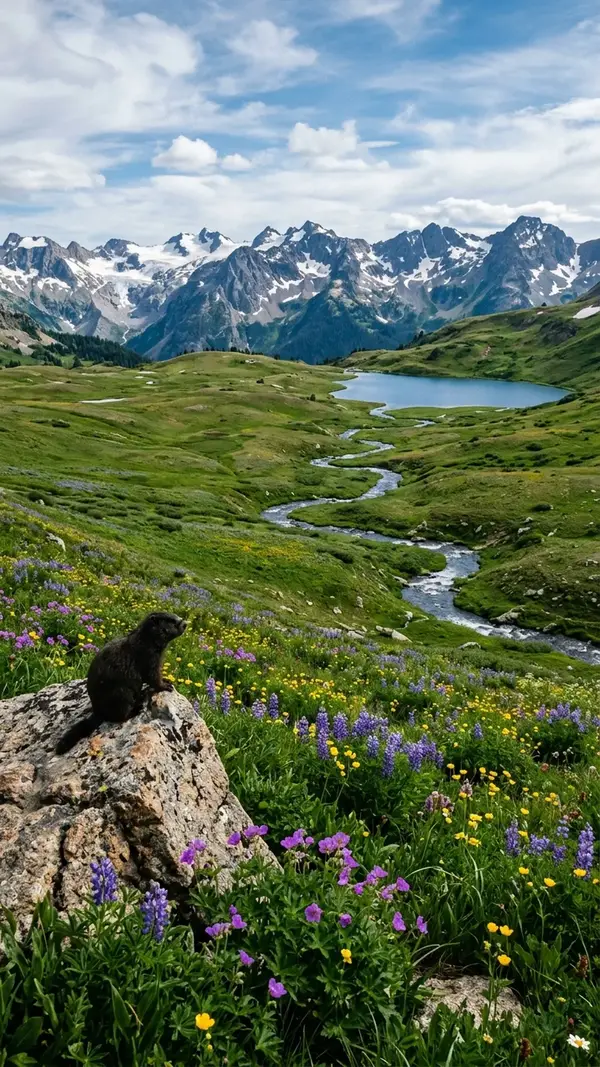 Every June to SeptemberDeosai Plains in summerDeosai National Park, Skardu
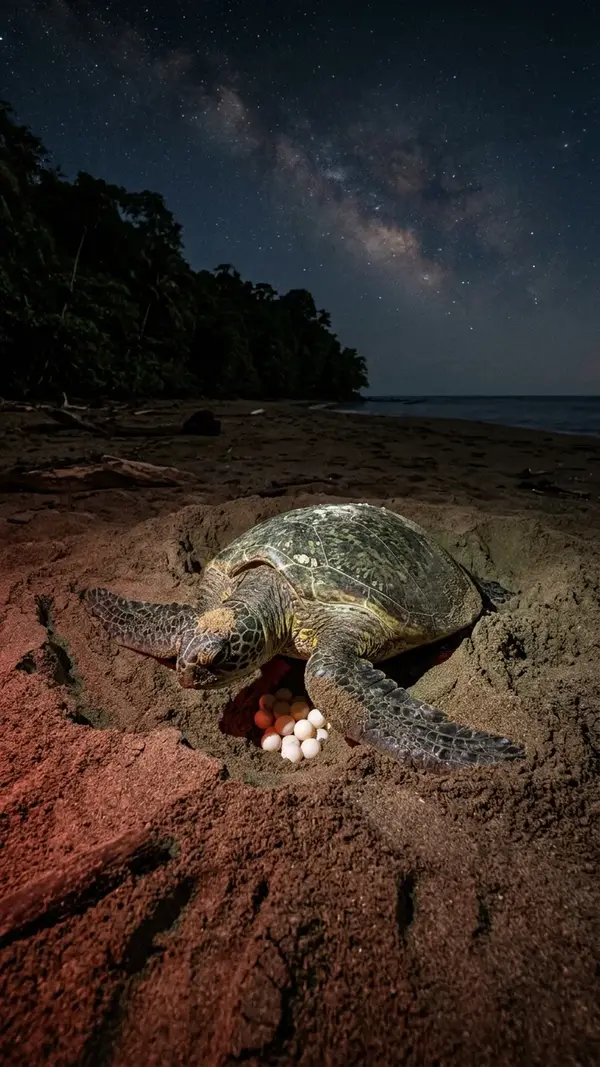 Every June to SeptemberRedang green turtle nestingChagar Hutang, Redang island
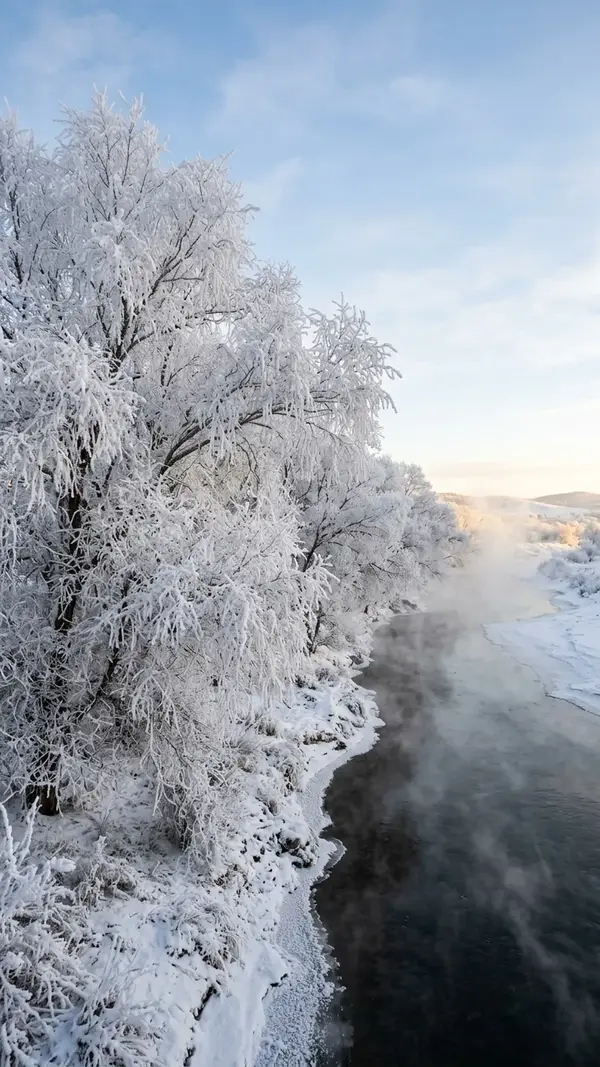 Every December to FebruaryJilin Rime IceWusong Island, Jilin City