El Rosario sanctuary, Michoacan · usually mid February to late March
Monarch butterfly overwintering
Watch fares from to , , , leaving , for in , , on . when .
Finding fares from your airport…
Monarch butterfly overwintering
When is Monarch butterfly overwintering 2027?
Monarch butterfly overwintering usually runs mid February to late March. It's a natural season, so the best days change from year to year.
How the dates are set: Monarchs are densest in February and early March before heading north.
Fares from other cities
The cheapest trip to Monarch butterfly overwintering from each city, as of November 18, 2026.
TijuanaTIJ
ChicagoCHIA
MiamiMIAA
Los AngelesLAXA
PortlandPDX
Monarch butterfly overwintering schedule
- Early November: Butterflies begin arriving at the Mexican overwintering sites.
- December: All the butterflies are in residence and have condensed into a smaller area, creating spectacular views.
- Mid-February: Flight activity increases as the butterflies prepare for departure.
- Through mid-March: Butterflies roost in the high-altitude fir forests until about mid-March.
Source: monarchjointventure.org
Getting to Monarch butterfly overwintering
- Mexico City is the closest airport to the sanctuaries, and Zitácuaro, Michoacán, is the closest major city. First-class buses leave the Observatorio terminal in Mexico City every hour and take two hours to reach the Zitácuaro bus terminal, where taxis are available.
- El Rosario has a paved trail with interpretive signs and large crowds on weekends. All sanctuary visits involve hiking and/or horseback riding on sometimes steep inclines.
- The roosts are at about 10,000 feet. If altitude sickness is a problem, spend a few days acclimating in Mexico City or the surrounding area first, and pack for chilly nights.
Source: monarchjointventure.org
Where to stay in El Rosario sanctuary
- Angangueo, 5 miles from El Rosario, has rustic lodging (high altitude, no heating): Don Bruno, Don Gabino or La Margarita.
- Agua Blanca is a thermal springs eco hotel at lower elevation and warmer weather, 25 miles from El Rosario. Rancho San Cayetano is a boutique hotel in Zitácuaro, also 25 miles away.
- Alternare, a nonprofit supporting monarch conservation with local communities, has a Training Center inside the Monarch Butterfly Biosphere Reserve that provides lodging, which also suits larger groups.
Source: monarchjointventure.org
History of Monarch butterfly overwintering
A presidential decree published on October 9, 1986 gave the overwintering sites special protection, and the area is now the Monarch Butterfly Biosphere Reserve, a World Heritage Site. Core zones of 4,491 hectares carry a total and permanent ban on logging.
Source: en.wikipedia.org
Monarch butterfly overwintering: questions people ask
When is the best time to see monarch butterflies in Mexico?
Butterflies arrive in early November, and by December they are all in residence in a smaller area. They roost through mid-March, with flight activity increasing around mid-February.
Where is El Rosario monarch sanctuary?
El Rosario is on the eastern edge of Michoacán state, with Sierra Chincua. The closest major city is Zitácuaro.
How do I get from Mexico City to the monarch sanctuaries?
Take a first-class bus from the Observatorio terminal, which leaves every hour and takes two hours to reach Zitácuaro. Taxis are available at the Zitácuaro bus terminal.
Is altitude a problem at the monarch sanctuaries?
It can be. The roosts are at about 10,000 feet, so if altitude sickness affects you, spend a few days acclimating in Mexico City or nearby first.
How hard is the walk to the monarch colony at El Rosario?
All sanctuary visits involve hiking and/or horseback riding on sometimes steep inclines. About half of all foreign visitors are seniors, and most manage without difficulty.
Which monarch sanctuary is the largest?
El Rosario has been the largest colony in recent years. Cerro Pelon is the least visited, and Sierra Chincua also has a short paved trail.
Source: monarchjointventure.org
About Monarch butterfly overwintering
Millions of orange wings blanket the fir trees before the flight north begins.
Monarchs cluster so densely the branches sag and seem to drip with color, and on warm afternoons they lift off in clouds. Late February into March is peak viewing before the colony starts its migration back to the US and Canada. Trails are steep and at altitude, so mornings are calmer and cooler for both butterflies and hikers.
Know before you go
- Hire a local guide at the entrance, it is required and supports the reserve.
- Altitude tops 3000 meters, pace yourself on the walk up.
- Fly into Mexico City and drive about three hours east to the sanctuaries near Ocampo.
Planning the trip
More like this
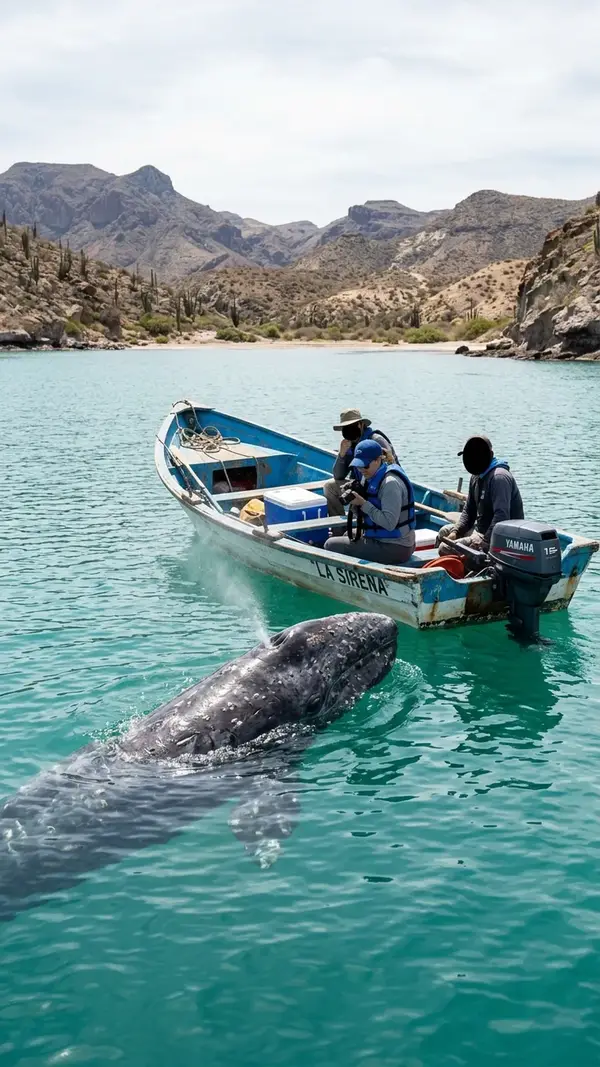 Every January to MarchGray whale calving seasonLaguna San Ignacio, Baja California Sur
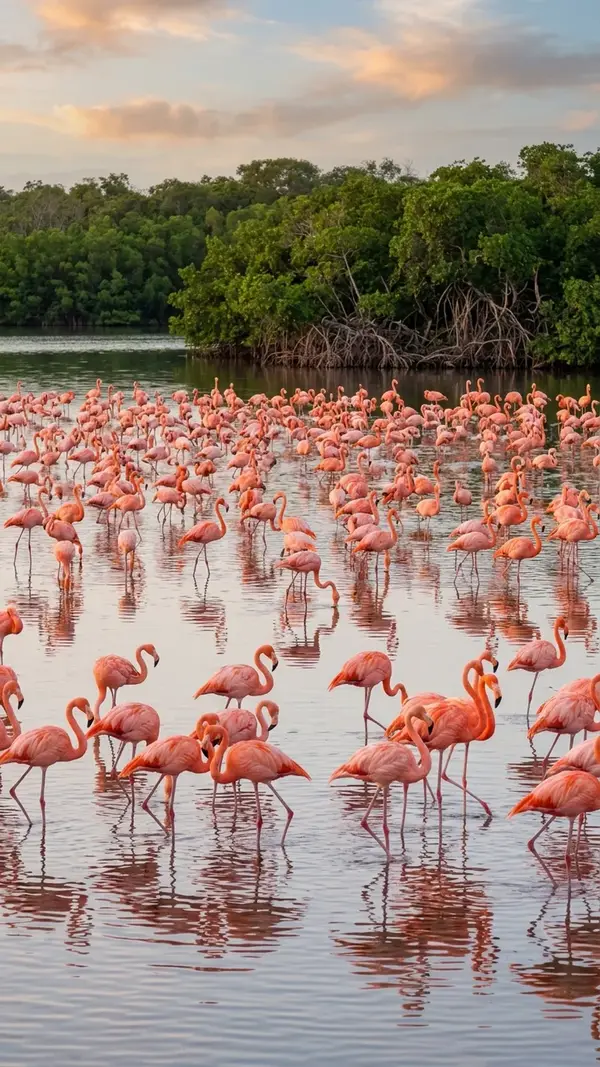 Every June to JulyFlamingo nesting at Río LagartosRío Lagartos, Yucatán
 Every December to AprilWhale Watching in Los CabosCabo San Lucas, Baja California Sur
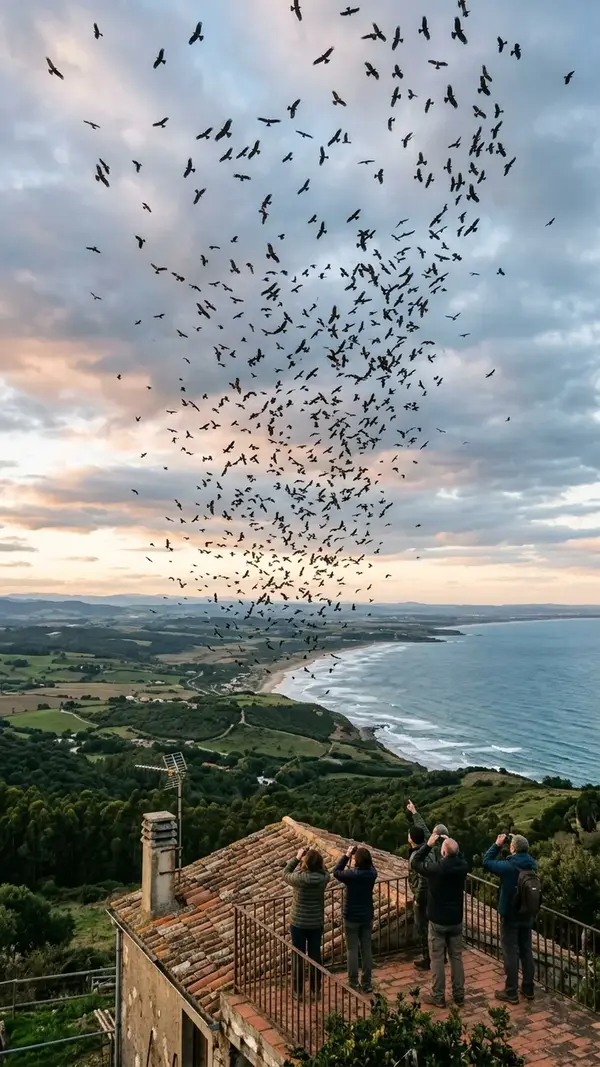 Every September to OctoberRiver of RaptorsChichicaxtle and Cardel, Veracruz
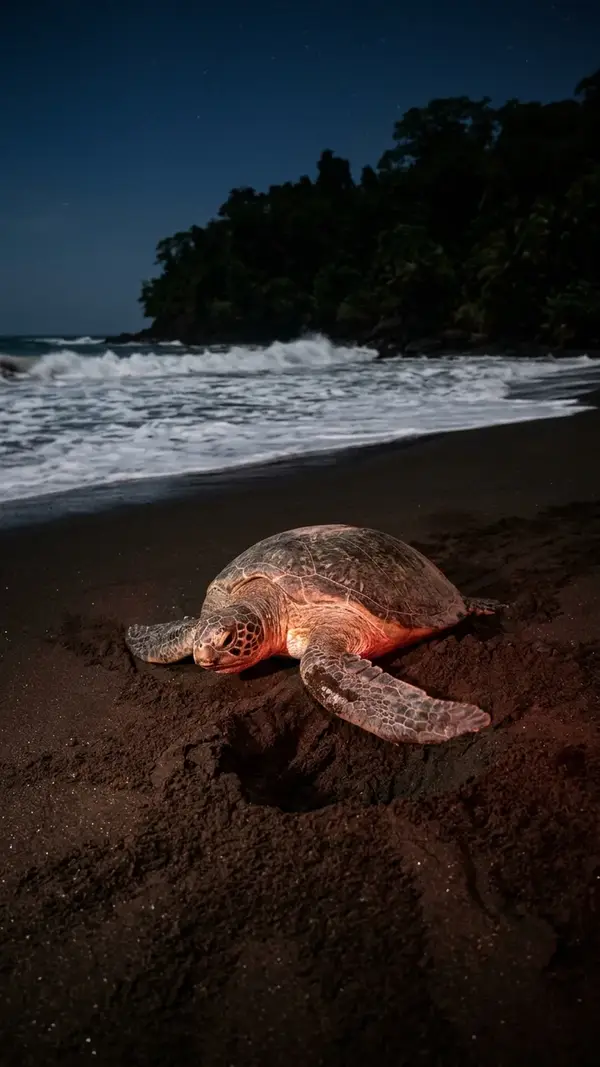 Every July to OctoberGreen turtle nesting at TortugueroTortuguero
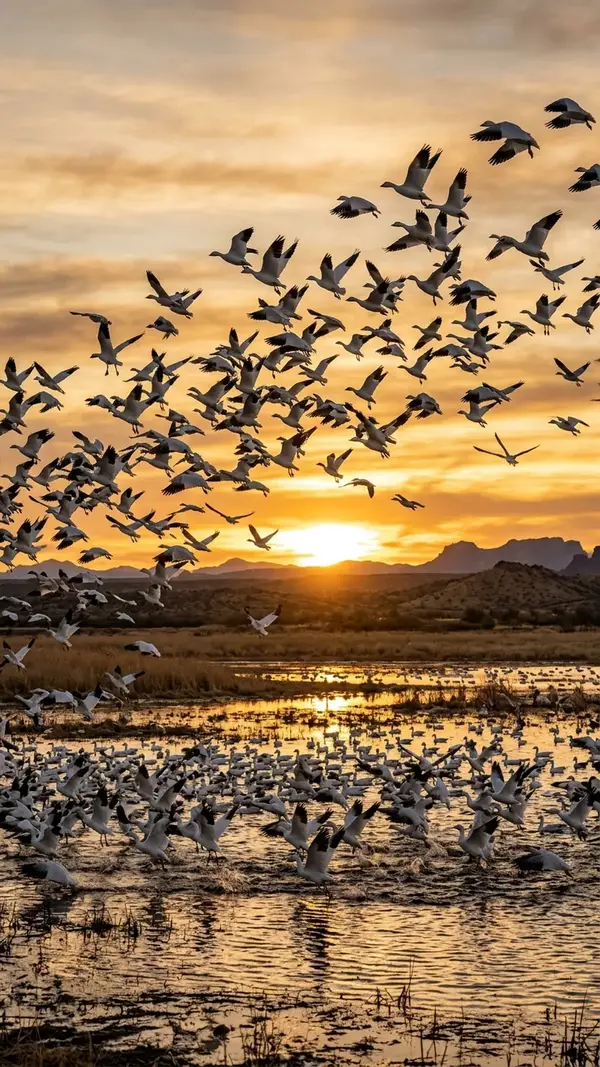 Every November to JanuarySnow geese liftoff at Bosque del ApacheSocorro, New Mexico
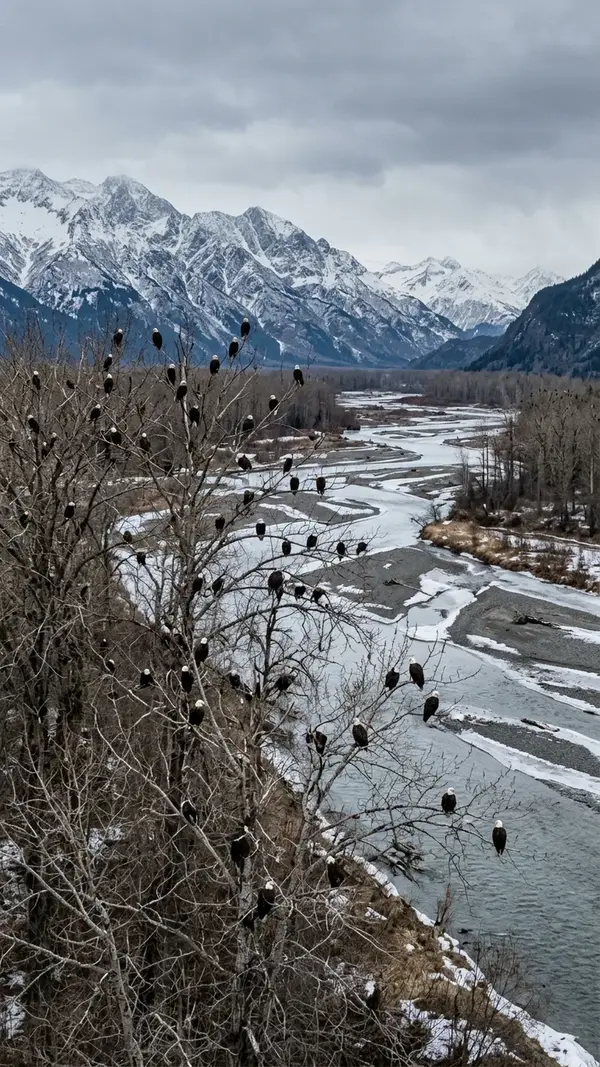 Every October to DecemberChilkat bald eagle gatheringHaines, Alaska
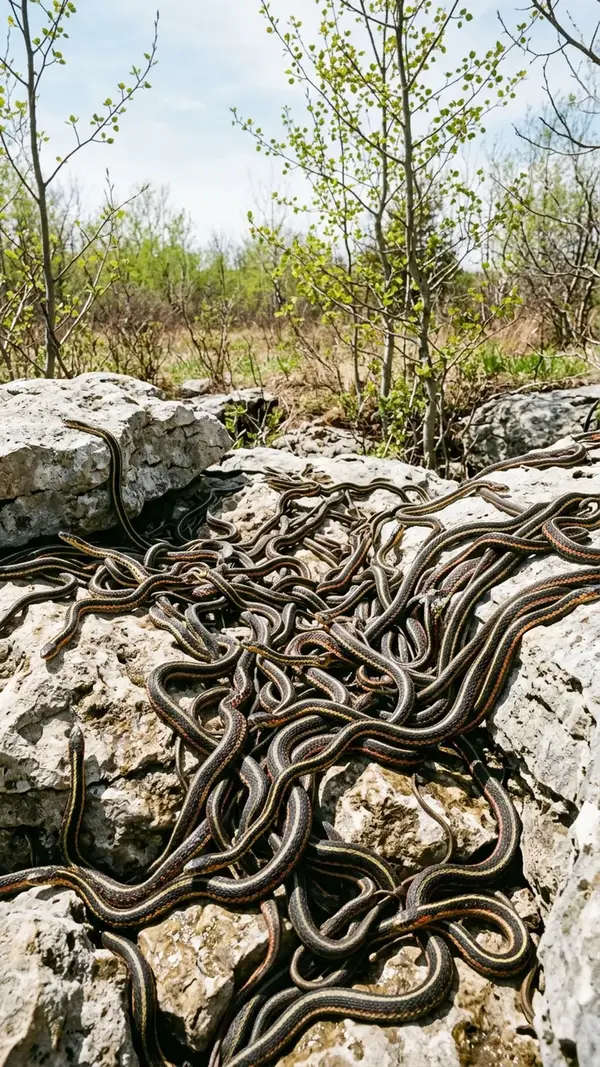 Every April to MayRed-sided garter snake emergence at NarcisseNarcisse, Manitoba
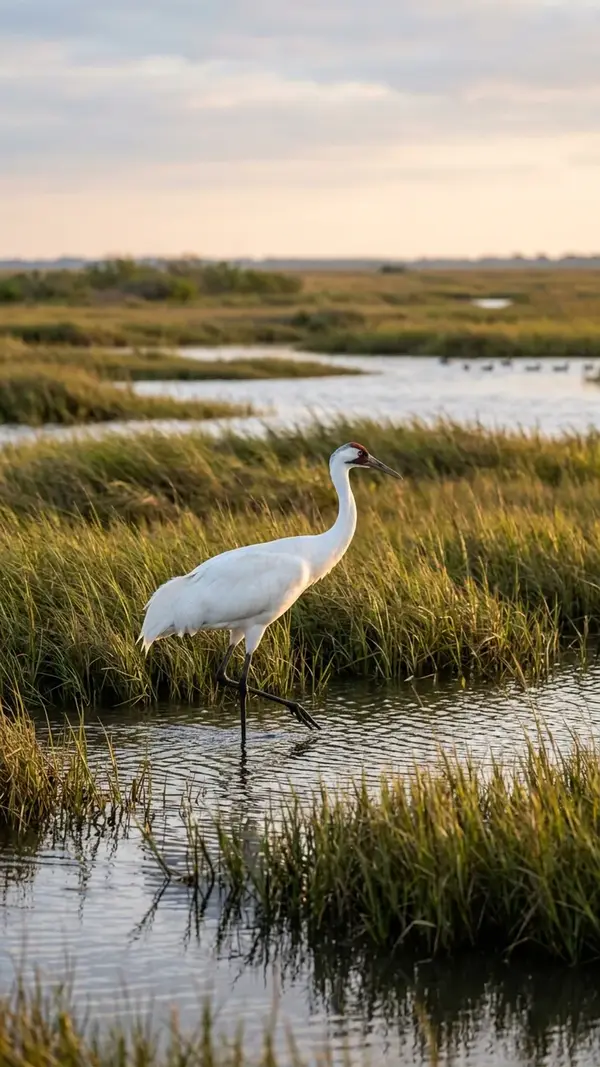 Every JanuaryWhooping cranes at AransasAransas National Wildlife Refuge, Texas
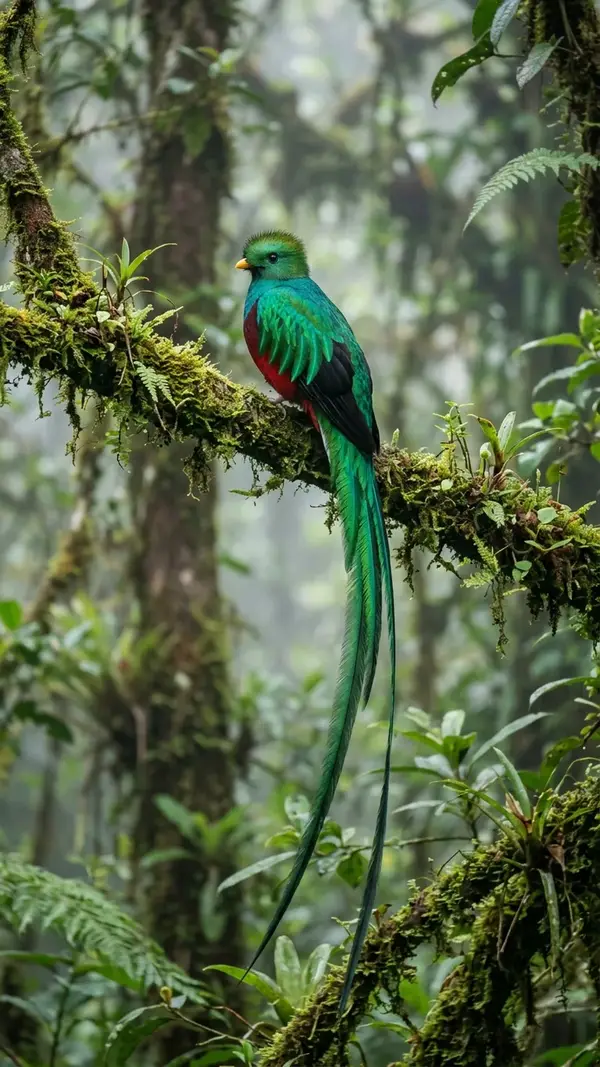 Every February to MayQuetzal nesting seasonSan Gerardo de Dota
 Every October to NovemberArribada at OstionalPlaya Ostional, Guanacaste
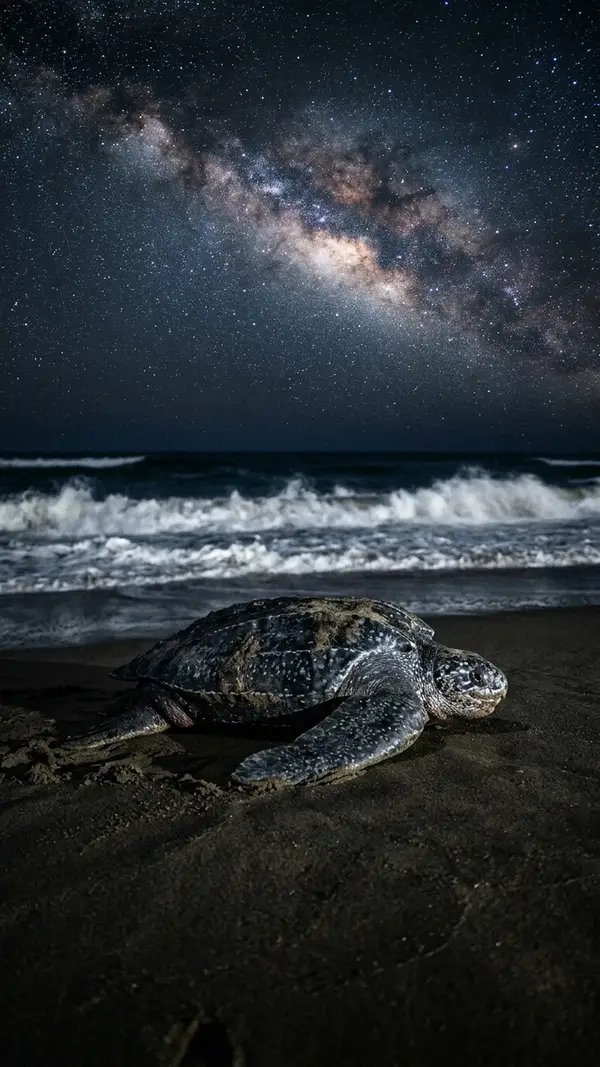 Every March to AprilLeatherback turtle nestingMatura Beach, Trinidad