Pasto · January 2 to 7, 2027
Carnaval de Negros y Blancos
Watch fares from to , , , leaving , for in , , on . when .
Finding fares from your airport…
Carnaval de Negros y Blancos
When is Carnaval de Negros y Blancos 2027?
Carnaval de Negros y Blancos 2027 runs January 2 to 7, 2027. The big day is Day of the Whites, Wednesday, January 6, 2027.
2027January 2 to 7, 2027Confirmed
How the dates are set: 2 to 6 January each year; Day of the Blacks 5 January, Whites 6 January.
See every event in January 2027
Source: carnivalvibez.com
Fares from other cities
The cheapest trip to Carnaval de Negros y Blancos from each city, as of November 16, 2026.
MiamiMIAA
New YorkNYCA
EdinburghEDI
ManchesterMAN
Carnaval de Negros y Blancos schedule
- December 28: The Carnival of Water opens the celebrations, with water thrown in homes and on the streets to start the festive mood.
- December 31: The Old Year's parade has marchers carrying satirical figures of celebrities and current events, ending with a ritual burning of the passing year.
- January 3: Carnavalito, the Children's Carnival, began as children imitating their elders and has become an event of its own.
- January 5: Blacks' Day. People of all ethnicities put on black cosmetics.
- January 6: Whites' Day. People wear white talcum, and the grand parade is considered the most important day of the carnival.
- January 7: The Day of the Guinea Pig, when locals and tourists enjoy typical regional dishes.
Sources: ich.unesco.org, en.wikipedia.org
History of Carnaval de Negros y Blancos
The carnival is listed as established in 1546 in Pasto, and the Blancos game was born at dawn on Three Kings' Day (January 6) in 1912. Colombia's Congress declared it national cultural heritage in 2001, and UNESCO added it to its intangible cultural heritage list in 2009. It has spread to other towns in Nariño, and Ipiales holds the second most important version.
Source: es.wikipedia.org
Carnaval de Negros y Blancos: questions people ask
When is the Carnaval de Negros y Blancos?
It is celebrated every year from January 2 to 7 in Pasto, with pre-carnival events from December 28.
Where is the Black and White Carnival held?
It is held in San Juan de Pasto, the capital of the department of Nariño in south-western Colombia.
What happens on Blacks' Day and Whites' Day?
On the first day people put on black cosmetics, and on the next day white talcum. UNESCO says this symbolizes equality and brings all citizens together through a celebration of ethnic and cultural difference.
Why is January 5 Blacks' Day?
The news that enslaved people were granted a day off was proclaimed in Popayan, and January 5 was declared a day off for people of color. The custom later spread south to Pasto.
Is the Carnaval de Negros y Blancos a UNESCO heritage event?
Yes. UNESCO recognized it as intangible cultural heritage of humanity in 2009, after Colombia declared it national heritage in 2001.
What is the Castaneda Family parade?
It is one of the four major stages of the carnival, alongside Carnavalito, Blacks' Day and Whites' Day. Its cry of "Viva la Familia Castaneda" dates to an invention of Torres Arellano.
Sources: colombia.travel, ich.unesco.org, en.wikipedia.org, es.wikipedia.org
About Carnaval de Negros y Blancos
A UNESCO-listed carnival where the whole city ends up covered in paint and flour.
The Carnival of Blacks and Whites in Pasto runs January 2 through 7, with the final days marked by a massive parade of hand-built floats and a citywide paint fight where everyone, visitors included, ends up dusted in cornstarch or streaked in black grease. The biggest days are January 5 and 6, called Black Day and White Day respectively. It is recognized by UNESCO as intangible cultural heritage, drawing crowds from across the region.
Know before you go
- Wear clothes you do not mind ruining, paint and flour end up everywhere during the final days.
- Book accommodation early, the small city fills up fast for the festival's peak days.
- PSO (Antonio Narino airport) sits about 40 minutes from central Pasto by road.
Planning the trip
More like this
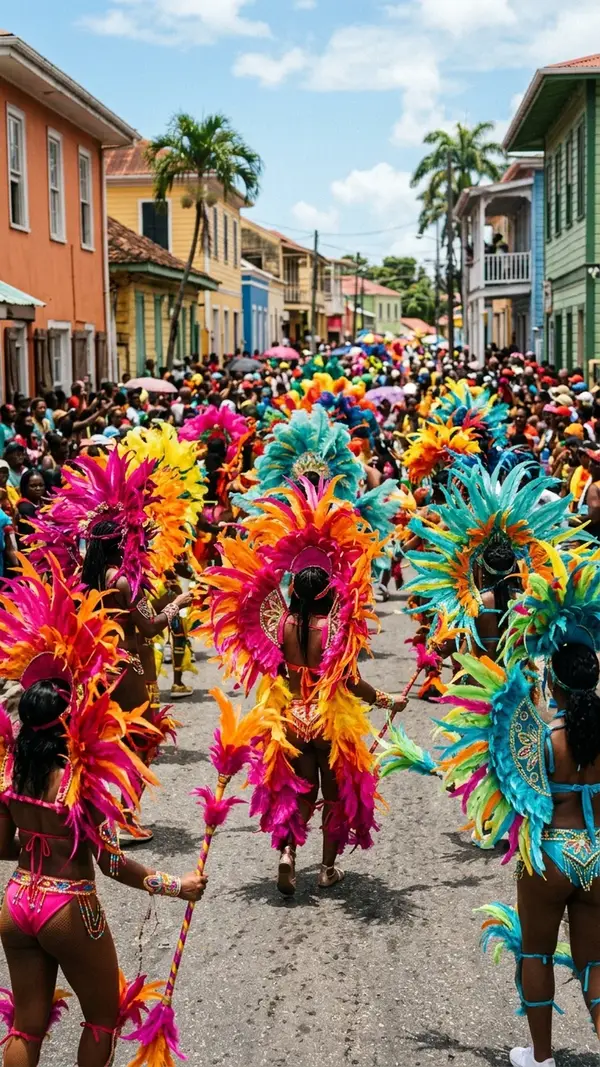 Every January to MarchCarnaval de BarranquillaBarranquilla
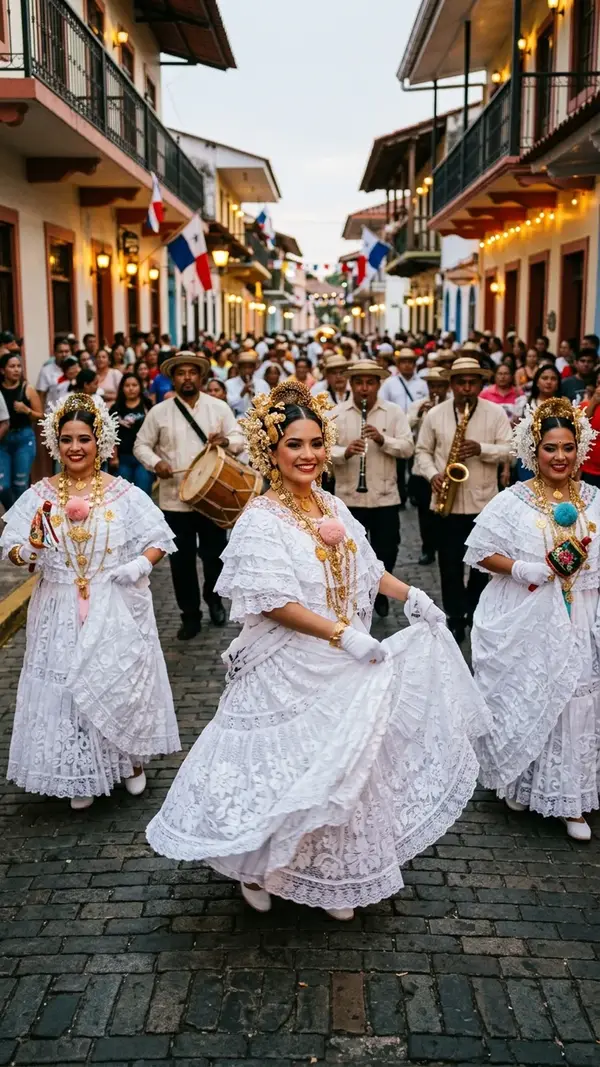 Every JulyFestival Nacional de la PolleraLas Tablas, Azuero
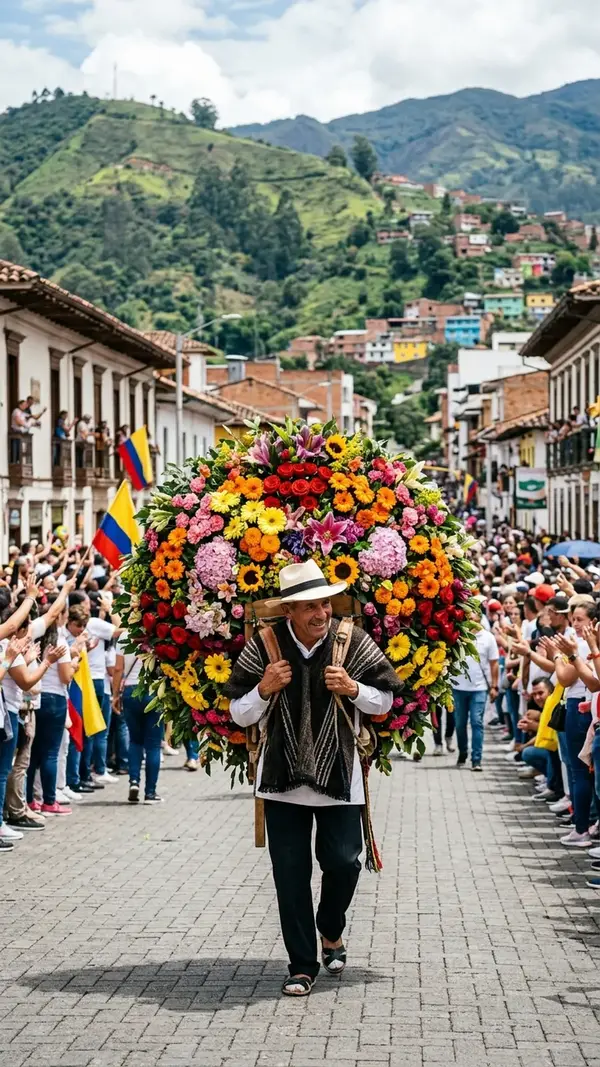 Every July to AugustFeria de las FloresMedellín, Antioquia
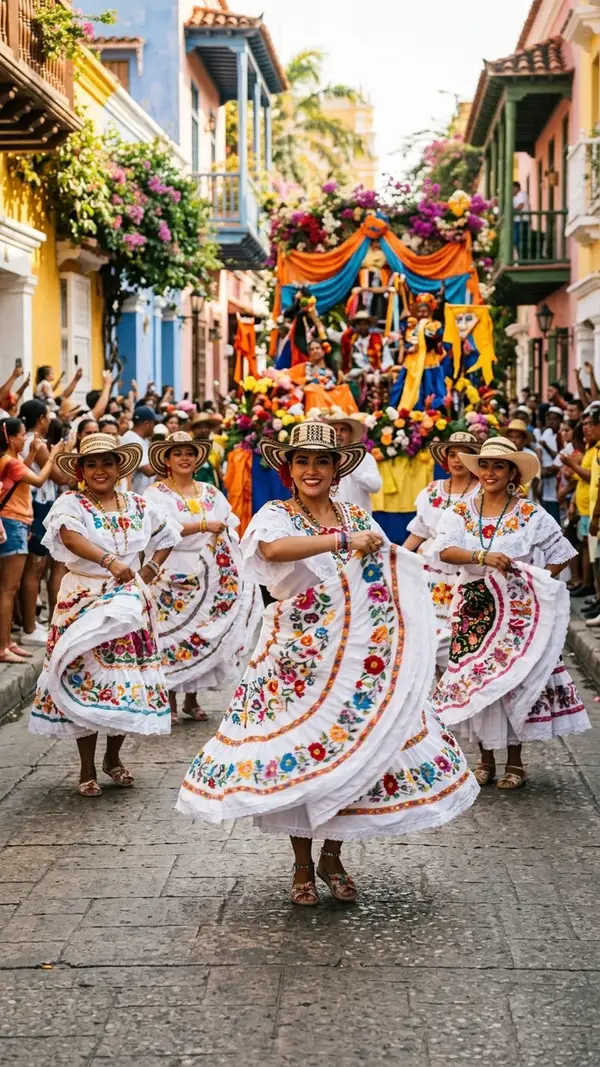 Every June to JulyFestival Folclórico y Reinado del BambucoNeiva, Huila
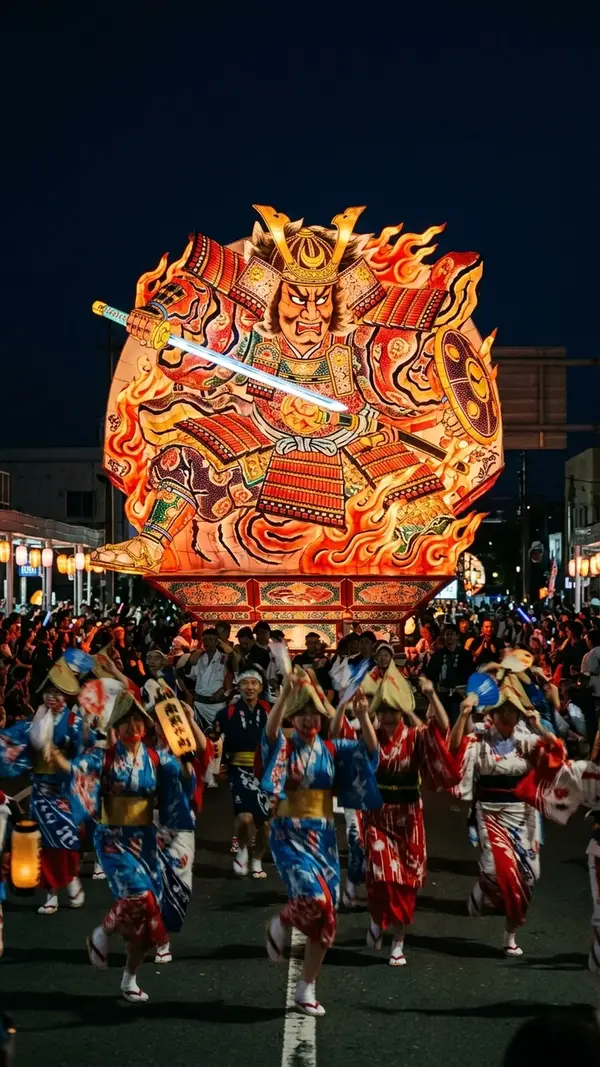 Every AugustAomori Nebuta MatsuriAomori City
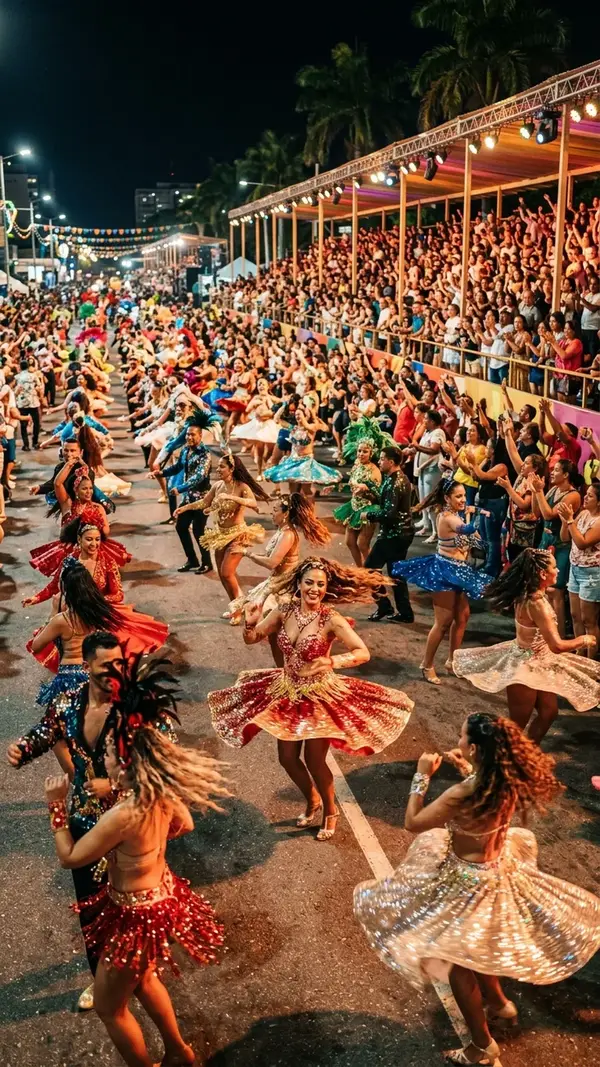 Every DecemberFeria de CaliCali, Valle del Cauca
 Every AprilPohela Boishakh and the Mangal ShobhajatraDhaka
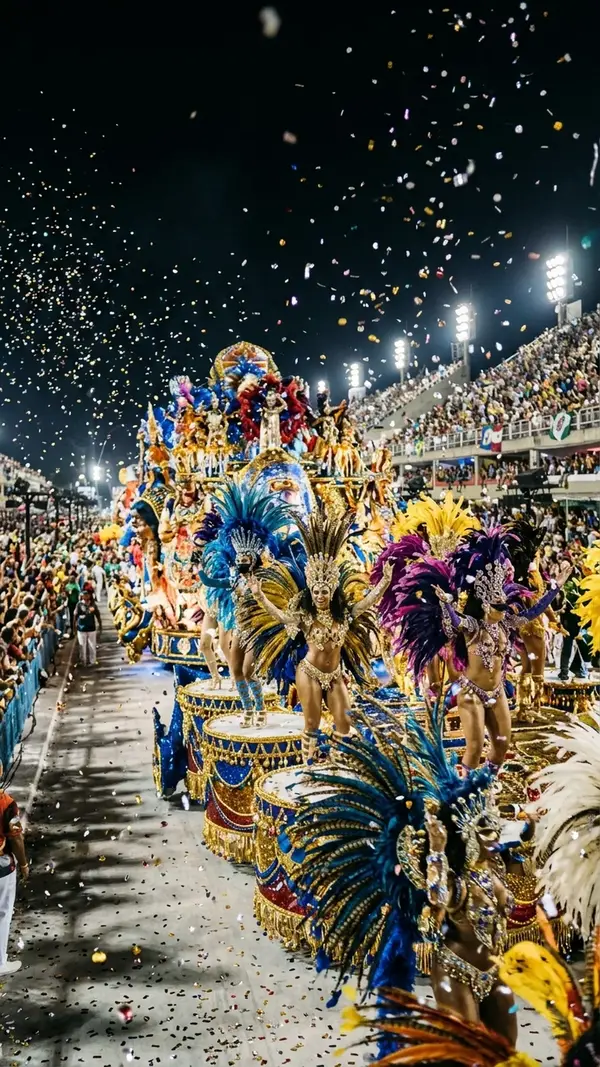 Every January to MarchCarnavalRio de Janeiro
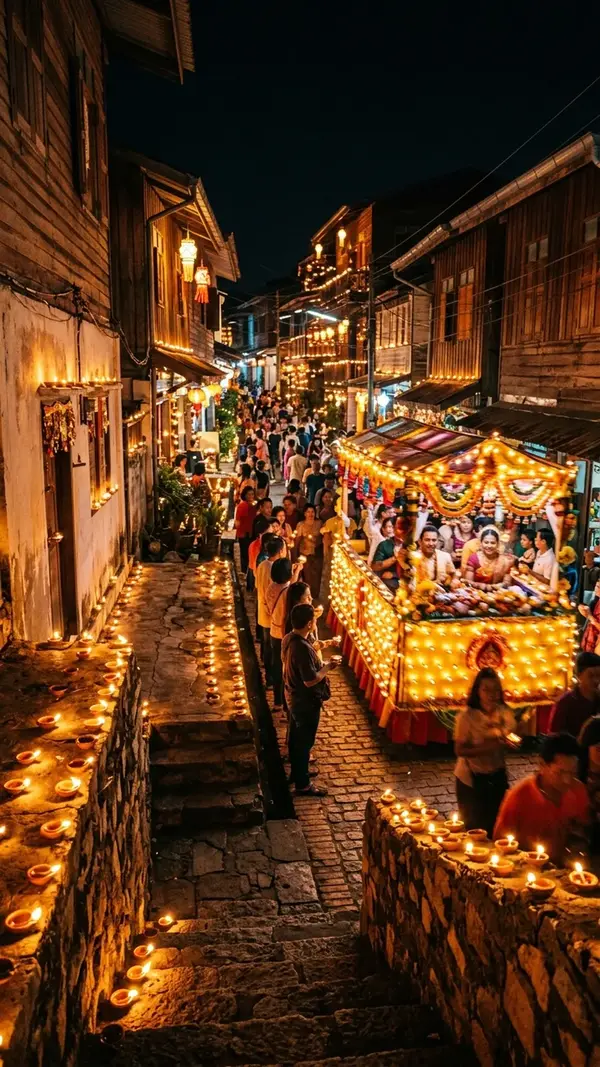 Every October to NovemberDiwali in GeorgetownGeorgetown
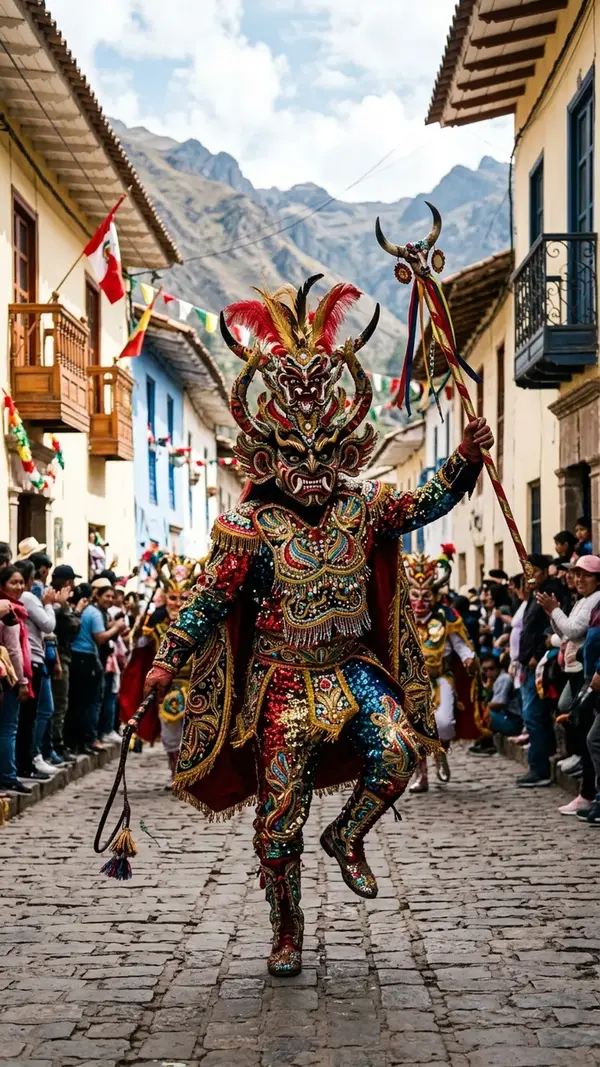 Every January to MarchCarnaval de OruroOruro
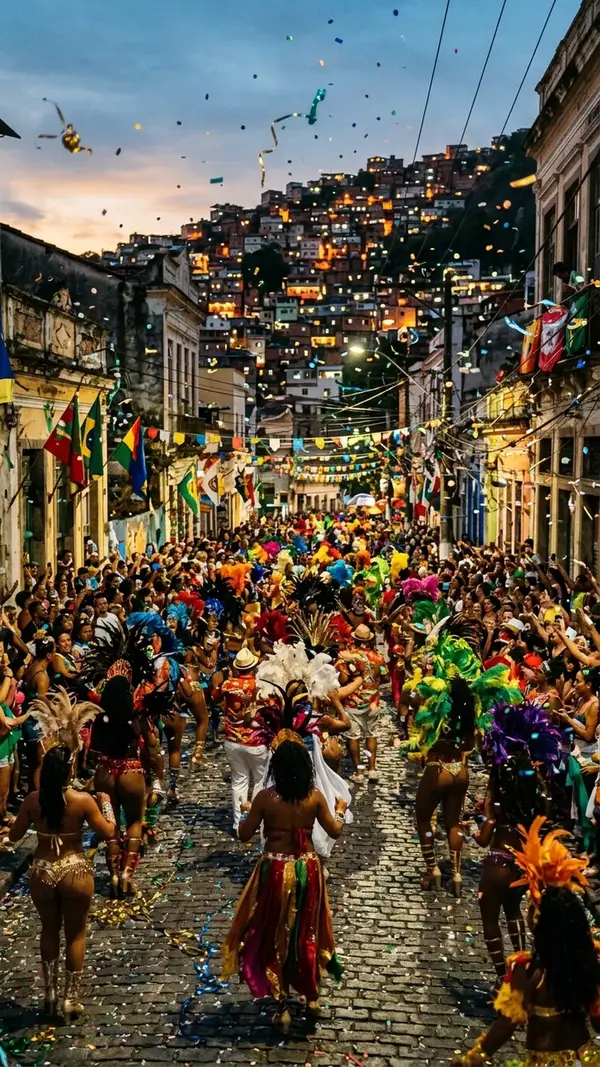 Every February to MarchRio carnivalRio de Janeiro
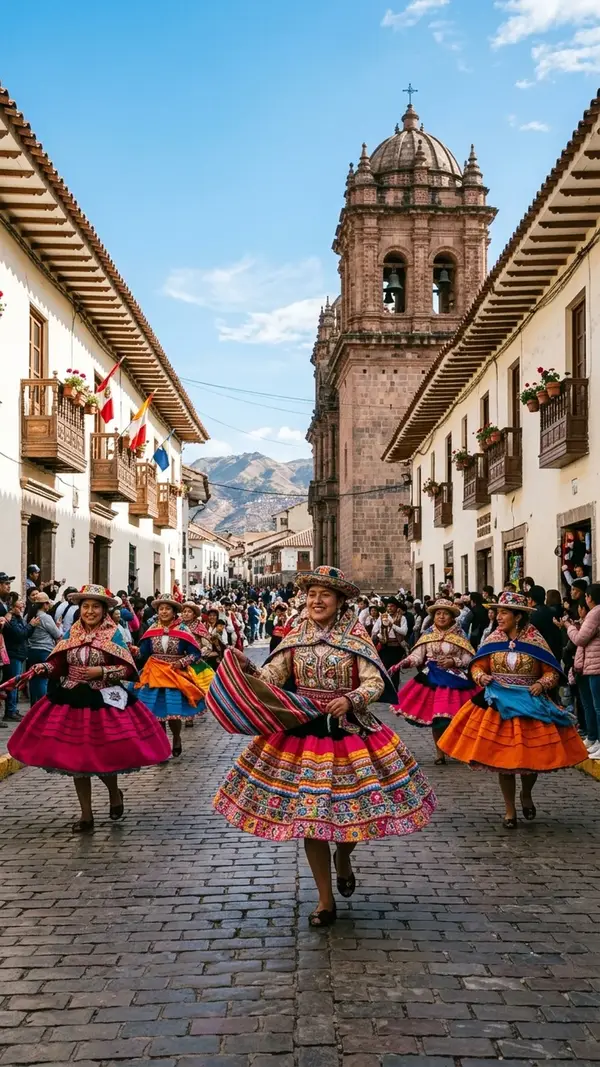 Every SeptemberFiesta de la Virgen de GuadalupeSucre